
If you’ve ever Googled how much space vegetables need and immediately got hit with charts, inches, rows, and garden math… you’re not alone.
The good news: you don’t need a perfect spacing plan to grow food in a small space. You just need a few simple rules that keep plants from competing with each other.
This guide breaks spacing down in a beginner-friendly way for containers, balconies, patios, and tiny gardens—so you can plant confidently without overcrowding (or wasting space).
📦 What You’ll Learn
- A simple way to think about vegetable spacing (without complicated charts)
- Easy container size guidelines for common vegetables
- How to avoid overcrowding (the #1 small garden mistake)
- Small-space layout ideas that save room without stressing plants
- Quick “how many plants fit” rules for pots and planters
🔗 Related Small-Space Guides
📏 How Much Space Do Vegetables Need?
Vegetables need space for three things:
- 🌿 Leaves (to capture sunlight)
- 🌱 Roots (to access water and nutrients)
- 💨 Airflow (to reduce disease and pest pressure)
In small gardens, spacing is less about “perfect inches” and more about avoiding overcrowding. Overcrowding is the fastest way to end up with weak plants, more pests, and disappointing harvests.
🧠 The Beginner Spacing Rule (Works Almost Every Time)
If you remember one rule, make it this:
- ✅ Leafy greens can be close.
- ✅ Root crops need depth.
- ✅ Fruiting plants need room.
That’s it. Greens are forgiving. Fruit-heavy plants (tomatoes, peppers, cucumbers) are the ones that punish crowding.
🪴 Container Size Matters More Than “Row Spacing”
If you’re growing in pots, container size is basically your spacing system. One plant can be “properly spaced” in a big pot, and totally crowded in a small one—even if it’s the same plant.
If you’re still building your container setup, start with the basics here: Container Gardening Tips.
✅ Easy Container Size Guide (No Overthinking)

Use these as simple starting points. Bigger containers usually mean less watering stress and happier plants.
| Vegetable Type | Examples | Best Container Depth | Easy Container Size |
|---|---|---|---|
| Leafy greens | Lettuce, arugula, spinach | 6–10 inches | Window box or wide planter |
| Herbs | Basil, parsley, thyme | 6–10 inches | 6–10 inch pot (or shared planter) |
| Root crops | Carrots, beets, radishes | 10–14 inches (more for carrots) | Deep pot or tall planter |
| Bushy fruiting plants | Peppers, bush beans | 12+ inches | 3–5 gallon pot per plant |
| Large fruiting plants | Tomatoes, cucumbers (trellised) | 14+ inches | 5–10 gallon pot per plant |
Want container recommendations by type and pot style? This guide is your shortcut: Best Containers for Growing Vegetables.
🧮 How Many Plants Fit in a Container? (Simple Rules)
This is the question everyone asks, and the answer is usually: fewer than you think. Here’s a beginner-friendly way to plan:
- 🥬 Wide planters: greens can be planted closer because you’re harvesting leaves (not growing big structures).
- 🌶️ Fruiting plants: usually one plant per pot is best (peppers, tomatoes, cucumbers).
- 🥕 Root crops: you can grow several in one pot, but depth matters more than “spacing.”
Easy rule: If the plant is meant to get big and produce fruit, give it its own container. Your harvest will be better, and your life will be easier.
⬆️ Small Space Layout Trick: Grow Up, Not Out
If you’re limited on floor space, vertical growing is the cheat code. When you trellis climbing plants, you gain space and airflow at the same time.
- ⬆️ Trellis cucumbers early (don’t wait until they flop)
- ⬆️ Use a tomato cage or simple stake for cherry tomatoes
- ⬆️ Keep vines off the ground to reduce pests and mildew
If you want simple layout ideas that keep your space from looking cluttered, see: Urban Container Gardening Ideas.
🌬️ Spacing Mistake: Ignoring Airflow (Especially on Balconies)
It’s tempting to pack containers together like you’re playing Tetris. But plants need airflow, especially in humid weather or tight corners. Poor airflow is how you get mildew and unhappy leaves.
- ✅ Leave a small gap between pots when possible
- ✅ Avoid pressing foliage against walls or railings
- ✅ Prune or thin lightly if everything turns into a dense hedge
Balcony microclimates are real. If you’re gardening up high, this guide helps you plan smarter: Balcony Gardening.
🥬 Spacing for Greens: You Can Plant Closer Than You Think
Leafy greens are perfect for small spaces because you can plant them a bit closer and still get harvests—especially if you harvest leaves regularly instead of waiting for “full heads.”
- 🥗 Plant greens in wide containers so roots have room even if leaves overlap
- ✂️ Harvest outer leaves first (keeps plants producing longer)
- 🔁 Replant small batches every 2–3 weeks for steady harvests
🥕 Spacing for Roots: Depth First, Then Spacing
With root crops, the most common mistake isn’t spacing—it’s not enough depth. Carrots and beets struggle in shallow containers because roots can’t develop properly.
- 🥕 Deep containers for carrots (10–14 inches is a safe starting point)
- 🧺 Radishes are more forgiving and work in medium depth planters
- 🌱 Thin seedlings if they’re jammed together (it hurts, but it helps)
🍅 Spacing for Fruiting Crops: Give Them Room or They’ll Compete
Fruiting vegetables are the ones that really need space. When they’re crowded, they fight for light, water, and nutrients—and your harvest drops.
- 🍅 Tomatoes: one plant per 5–10 gallon pot is the easiest path
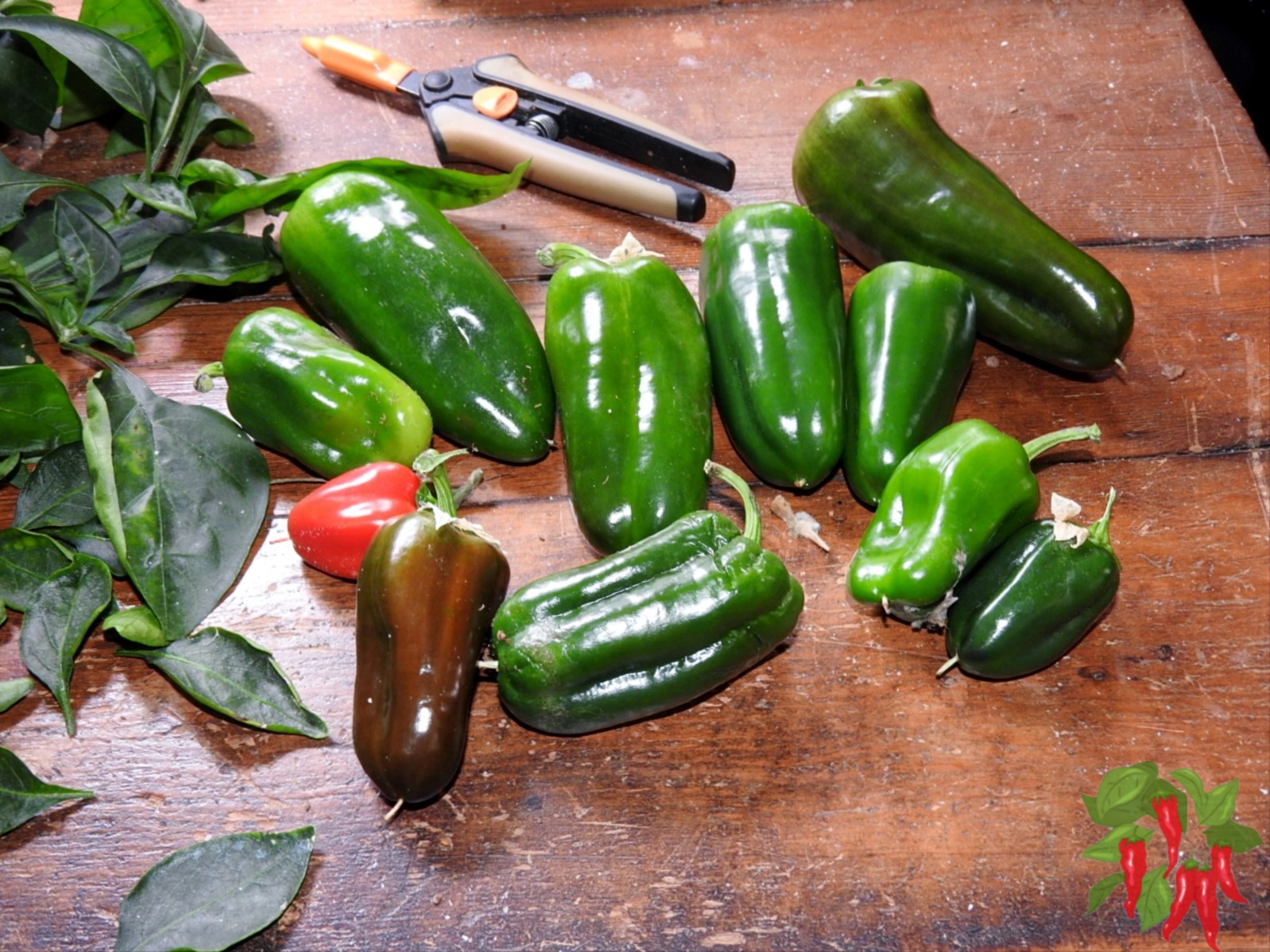
- 🌶️ Peppers: one plant per 3–5 gallon pot
- 🥒 Cucumbers: one plant per large pot (plus a trellis)
Beginner tip: If you’re trying to fit two fruiting plants in one pot, that usually means the pot is too small or the season will be stressful. One strong plant beats two struggling plants.
❓ FAQs
How much space do vegetables need in containers?
In containers, space depends on the crop. Leafy greens can grow in shallow wide planters, but fruiting plants like tomatoes and peppers usually do best with one plant per pot and enough depth for roots.
Can I plant vegetables closer together to save space?
You can plant leafy greens closer than fruiting crops. But crowding fruiting plants reduces airflow and makes them compete for water and nutrients, which usually lowers yields.
What happens if I overcrowd vegetables?
Overcrowding can cause slower growth, smaller harvests, more pests and disease, and plants that dry out or struggle because roots are competing in limited soil.
Do bigger containers really increase yields?
Often, yes. Bigger containers hold moisture longer, support stronger roots, and reduce stress—especially for tomatoes, peppers, and cucumbers.
What’s the easiest way to plan spacing in a small garden?
Start with fewer plants, use one fruiting plant per pot, plant greens in wide containers, and use vertical supports to save floor space. Adjust after you see how your space behaves.
🌼 Conclusion: Give Plants Room to Succeed (and Your Garden Gets Easier)
When you’re growing in small spaces, spacing isn’t about following perfect charts—it’s about giving plants enough room to grow without constant stress. If you keep fruiting crops in their own containers, grow greens in wide planters, and use vertical supports, your garden becomes easier to manage and more productive.
Want the “big picture” method guide? Start here: Small Space Vegetable Gardening. And if containers are your main setup, this is your hub: Container Gardening Tips.
Small Space Vegetable Gardening: Easy Ways to Grow Food Anywhere
Related Content
Related Content


Visit my Amazon Influencer Page for videos and gardening products Grow Your Own Garden