
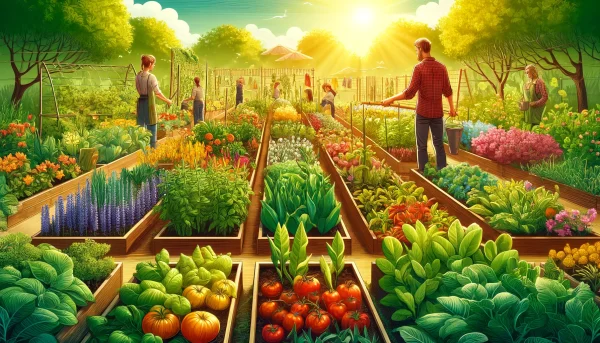
Sunlight is the make-or-break factor in small gardens. You can have great soil and the right containers, but if your light doesn’t match your vegetables, harvests stall fast. The good news? You don’t need perfect sun—just the right plants for the light you actually have.
This guide explains how much sun vegetables need in small gardens, what grows with 4–6 hours versus full sun, and simple ways to improve light on balconies, patios, and tight outdoor spaces.
📦 What You’ll Learn
- The difference between full sun, partial sun, and bright shade
- Which vegetables grow with 4–6 hours of sun
- Which crops truly need 6–8+ hours
- Balcony and container light tricks that actually help
- Common sunlight mistakes that limit yields
🔗 Related Small-Space Guides
☀️ How Much Sun Do Vegetables Need?
Most vegetables fall into one of three light categories. Knowing which bucket your plants fit into saves a lot of frustration.
- 🌞 Full sun: 6–8+ hours of direct sun
- ⛅ Partial sun: 4–6 hours of direct sun
- 🌤️ Bright shade: less than 4 hours, but bright ambient light
In small gardens, “full sun” often means a single good window of light each day. That’s okay—what matters is matching vegetables to that window.
🧠 The Beginner Sunlight Rule (Remember This)
If you only remember one thing, make it this:
- 🥬 Leaves tolerate less sun.
- 🥕 Roots need moderate sun.
- 🍅 Fruits demand the most sun.
When fruiting plants don’t get enough sun, they grow leaves but don’t produce much food. That’s the most common “why isn’t this working?” moment in small gardens.
⛅ Vegetables That Grow with 4–6 Hours of Sun
 Planters’ Choice 9 Herb Indoor Window Garden Kit – House Plants Seeds – Best Unique Christmas Gift Ideas for Women, Mom, Friend, Her, Birthday, Housewarming, Mother – New Home Kitchen Gifts
If your space gets morning sun or filtered light, these vegetables are your best bet.
🥬 Leafy Greens (best low-sun performers)
- Lettuce
- Spinach
- Arugula
- Baby kale
🌿 Herbs (many tolerate partial sun)
- Parsley
- Chives
- Cilantro (especially in cooler seasons)
🥕 Some Root Crops
- Radishes
- Beets (greens + roots)
- Green onions
If your setup is container-based, this guide pairs well: Container Gardening Tips.
🌞 Vegetables That Need 6–8+ Hours of Sun
These vegetables need strong light to flower and set fruit. In small gardens, put them in your best sun spot.
- 🍅 Tomatoes (especially large varieties)
- 🌶️ Peppers
- 🥒 Cucumbers
- 🫘 Beans
- 🍆 Eggplant
Short on sun? Choose compact or cherry varieties and give them priority placement.
🌤️ What Grows in Bright Shade?
Bright shade doesn’t mean darkness—it means reflected or indirect light most of the day.
- Herbs like mint and parsley
- Leafy greens with slower growth
- Microgreens and cut-and-come-again greens
Expect smaller harvests here—but you can still grow food.
🌇 Balcony Sunlight: Why It’s Different
Balconies create microclimates. Buildings block light, walls reflect heat, and wind speeds drying. That changes how plants experience sun.
- 🌇 South-facing balconies usually get the most sun
- 🌇 East-facing balconies are great for greens and herbs
- 🌇 West-facing balconies get intense afternoon heat
If you garden up high, this guide helps you plan smarter: Balcony Gardening.
🔧 Easy Ways to Improve Sun in Small Gardens
You can’t move the sun—but you can work with it.
- 🪴 Move containers: follow the sun during the day if possible
- ⬆️ Grow vertical: lift plants above railings and shadows
- 🎨 Use light surfaces: light walls and floors reflect more light
- 📍 Reserve the best spot: give it to fruiting plants first
Layout ideas that keep plants in good light: Urban Container Gardening Ideas.
🚫 Common Sunlight Mistakes in Small Gardens
- 🚫 Growing tomatoes in shade and expecting fruit
- 🚫 Ignoring seasonal sun changes
- 🚫 Letting railings or walls block light
- 🚫 Packing plants so tightly they shade each other
When in doubt, grow fewer plants in better light. It almost always pays off.
❓ FAQs
Can vegetables grow with only 4 hours of sun?
Yes. Leafy greens, herbs, and some root crops can grow with 4–6 hours of sun. Fruiting plants usually need more light to produce well.
Is morning sun or afternoon sun better?
Morning sun is gentler and great for small gardens. Afternoon sun is stronger and helps fruiting crops, but can increase heat stress in containers.
Do cloudy days count as sunlight?
Yes, but indirect light is weaker. Plants still photosynthesize, but growth slows. That’s normal in many climates.
Can I use grow lights outdoors?
Grow lights are usually better for indoor growing. Outdoors, improving placement and plant choice is more practical.
How do I know if my vegetables aren’t getting enough sun?
Signs include lots of leaves with little fruit, slow growth, pale color, and plants leaning toward the light.
🌼 Conclusion: Match Vegetables to Your Sun, Not the Other Way Around
Small gardens succeed when plants match the light that’s available. If you grow greens in lower light and reserve your sunniest spots for fruiting vegetables, everything gets easier—and harvests improve.
Want the full method for choosing the right setup? Start here: Small Space Vegetable Gardening. And if containers are your main setup, this guide will help you dial things in: Container Gardening Tips.
Small Space Vegetable Gardening: Easy Ways to Grow Food Anywhere
Related Content
Related Content


Visit my Amazon Influencer Page for videos and gardening products Grow Your Own Garden