

Discover fresh and inspiring urban container gardening ideas to transform your limited city space into a green oasis. Perfect for small balconies and rooftops!
Urban container gardening for beginners is a great way to grow vegetables, herbs, and flowers without having a traditional backyard. Whether you’ve got a small balcony, a patio, or a sunny spot near a window, a few well-chosen containers can get you started.
You don’t need expensive equipment or a lot of gardening experience, either. The trick is choosing the right pots, matching your plants to the available sunlight, and using a growing mix that drains well.
In this guide, we’ll look at different container options, which plants grow well in small spaces, and how to set up a garden that’s easy to care for. You can start with one or two pots and add more as you get comfortable.
What You’ll Learn
- Why container gardening works so well in apartments and other small urban spaces.
- How to choose between traditional pots, hanging baskets, vertical planters, and window boxes.
- Which vegetables, herbs, fruits, flowers, and succulents grow well in containers.
- How to choose a location and prepare your containers for planting.
- Simple watering, feeding, and plant care tips to help your garden grow.
Quick Answer: How Do You Start Urban Container Gardening?
Urban container gardening for beginners starts with choosing a sunny location, picking containers with drainage holes, and filling them with a quality potting mix.
Herbs, lettuce, peppers, and compact tomato varieties are good choices, depending on how much sunlight you have.
Start with one or two containers rather than trying to grow everything at once.
Choose plants that fit your space, water when the potting mix needs it, and feed according to the plants’ needs.
My advice: Start small and keep things simple. Once you’ve grown a few healthy plants, you’ll have a better idea of what works in your space.
Urban Container Gardening Ideas
Urban container gardening ideas involve creatively using pots, planters, and repurposed containers to grow plants in urban spaces with limited area.
This method is perfect for city dwellers who want to cultivate herbs, vegetables, and flowers on balconies, rooftops, or windowsills, making the most of small spaces.
Why Urban Container Gardening?
Urban container gardening has become a popular trend among city dwellers looking to bring the beauty and bounty of nature into their urban spaces.
With limited outdoor space, urbanites are turning to container gardening as a convenient and aesthetically pleasing way to cultivate plants, herbs, and even fruits and vegetables.
In this article, we’ll explore the ins and outs of urban container gardening, including why it’s gaining popularity, the best containers for urban gardening, the ideal plants to grow in containers, and how to set up your own thriving urban container garden.
Whether you’re a seasoned gardener or just beginning to explore the world of urban gardening, this comprehensive guide will provide you with the knowledge and inspiration to create your own urban oasis.
Key Takeaways:
- Urban container gardening is a popular trend due to limited space, convenience, aesthetic appeal, and accessibility in urban areas.
- The best containers for urban gardening include traditional pots, hanging baskets, vertical planters, window boxes, and repurposed containers.
- Herbs, vegetables, fruits, flowers, and succulents are some of the best plants for urban container gardening.
What Is Urban Container Gardening?

Urban container gardening refers to the practice of cultivating plants, vegetables, and herbs in containers within urban environments, such as balconies, doorsteps, and rooftops, to maximize limited space and access to sunlight.
This innovative form of gardening has gained popularity as urban populations continue to rise, and green spaces become scarcer.
It provides an effective solution for city dwellers who lack traditional garden plots but yearn to grow their own fresh produce or add a touch of greenery to their living spaces.
The versatility of container gardening allows it to thrive in various locations, from high-rise apartment buildings to small townhouses, making it accessible to a wide range of urban residents.
Why Is Urban Container Gardening Popular?
Urban container gardening has gained popularity due to its ability to maximize limited space, provide fresh vegetables and herbs, enhance aesthetic appeal, and offer accessibility to gardening essentials within urban environments.
Limited Space
Urban container gardening is favored for its ability to thrive in limited spaces, utilizing balconies, rooftops, and even unconventional containers such as cinder blocks, to create flourishing greenery and produce.
The adaptability of urban container gardening makes it an ideal solution for city dwellers who are short on outdoor space but still want to enjoy the benefits of gardening.
By using recycled materials or repurposing everyday items like buckets, crates, or old wheelbarrows, individuals can transform their urban environments into vibrant green oases.
Convenience
Urban container gardening offers the convenience of cultivating plants, vegetables, and herbs within reach, minimizing the need for extensive tools and equipment and simplifying the watering and care processes.
With limited space, city dwellers can create vibrant green corners by using patio containers or vertical planters.
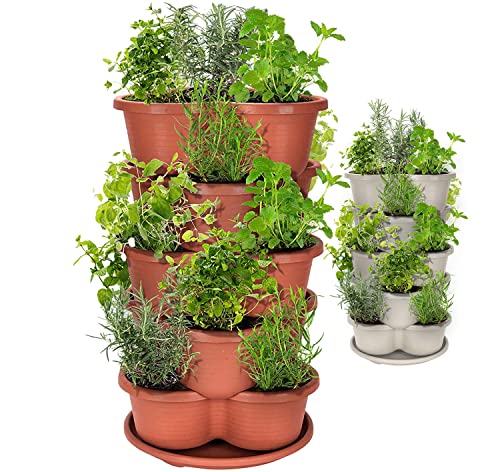
The portability of these containers allows for effortless relocation based on sunlight and weather, ensuring optimal growing conditions.
The simple yet efficient watering systems, such as self-watering containers or drip irrigation, provide consistent moisture to the plants without constant monitoring.

The minimal tool requirements make tasks manageable for novice and experienced gardeners alike.
Aesthetic Appeal
One of the key attractions of urban container gardening is its ability to enhance the aesthetic appeal of urban spaces, with lush plants, vibrant vegetables, and blooming flowers adorning balconies and utilizing sunlight and trellises to create visual interest.
Container gardens offer versatility and creativity, allowing urban dwellers to transform their limited spaces into picturesque green oases.
By strategically placing containers, one can optimize the use of sunlight, ensuring plants receive the necessary nourishment to thrive and display their captivating colors.

The utilization of trellises not only adds a charming vertical element but also provides an opportunity for innovative gardening solutions, such as vertical vegetable gardens or cascading flowers, elevating the visual appeal of the entire urban setting.
Accessibility
Urban container gardening provides accessibility to fresh produce and gardening essentials, with doorstep planters, urban balconies, and a diverse range of vegetables such as salad greens, tomatoes, peppers, and beans thriving in self-watering planters and other urban gardening tools.
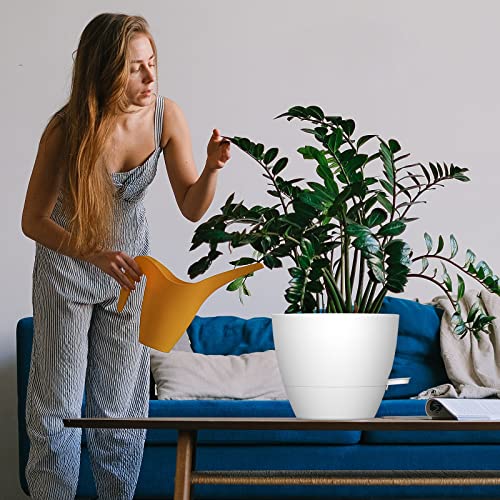
The beauty of urban container gardening lies in its adaptability to various settings, making it ideal for city dwellers with limited outdoor space.
Whether it’s apartment balconies, small patios, or even window sills, there’s a solution for everyone to indulge in the joys of homegrown produce.
What’s even more fascinating is the incredible assortment of vegetables that can flourish in these compact urban environments.
From the vibrant hues of cherry tomatoes to the crispness of homegrown lettuce, the possibilities are endless.
Imagine plucking fresh, juicy tomatoes grown right outside your window, or harvesting crisp, flavorful salad greens from doorstep planters.
It’s a delightful experience that connects you to the food you eat in a profound way.
The convenience of doorstep planters and self-watering containers facilitates hassle-free gardening, making it an attractive option for busy urbanites.
It’s a true testament to the fact that anyone, regardless of their living space, can enjoy the satisfaction of nurturing and harvesting their own vegetables.
What Are The Best Containers For Urban Gardening?
Selecting the best containers is crucial for successful urban gardening, with options ranging from traditional pots and hanging baskets to innovative vertical planters, window boxes, and creatively repurposed containers, ensuring optimal space utilization and plant health.
When considering which containers to use for urban gardening, it’s important to take into account the specific needs of the plants, the available space, and the environmental conditions.
Traditional pots are versatile and come in a variety of sizes, making them suitable for a wide range of plants.

Hanging baskets are excellent for trailing plants and can add visual interest to balconies or smaller outdoor areas.
Vertical planters are a great option for maximizing space, especially in small gardens or urban balconies.
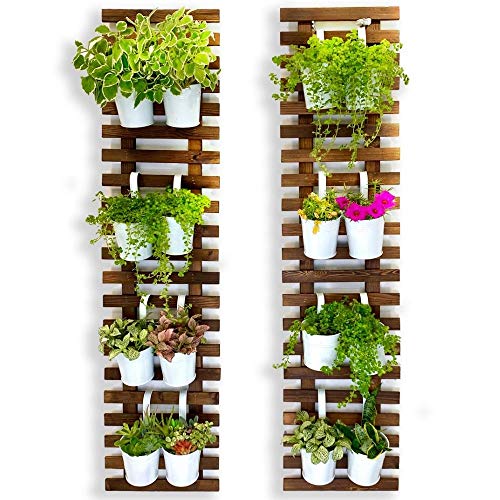
They can be mounted on walls or fences, allowing for a lush green display without taking up precious floor space.
Window boxes are perfect for growing herbs and small flowers, adding a touch of greenery to urban windowsills.

Repurposed containers, such as old crates or barrels, provide a sustainable and creative approach to urban gardening. It’s important to ensure that any repurposed containers are clean and safe for growing plants.
Traditional Pots
Traditional pots are versatile and widely used in urban container gardening, providing an ideal environment for plants while requiring proper soil, fertilizer, compost, and attention to pest and disease management.
One of the key benefits of traditional pots in urban container gardening is their versatility.
These pots come in various sizes, shapes, and materials, allowing gardeners to grow a wide range of plants, from colorful flowers to flavorful herbs, even in limited urban spaces.
Their portability also enables easy rearrangement to optimize sunlight and aesthetics.
Traditional pots provide essential support for the root system of plants, promoting healthy growth and preventing overcrowding.
This attribute is particularly valuable when nurturing vegetables or larger flowering plants in urban settings.
Caring for plants in traditional pots is relatively straightforward.
Regular watering, monitoring soil moisture, and occasional fertilization are enough to maintain a thriving container garden.
It’s also easier to spot and address any pest or disease issues due to the confined and manageable space.
Hanging Baskets

Hanging baskets offer a space-saving solution in urban container gardening, allowing the cultivation of herbs, lettuce, and other trailing plants in elevated spaces to maximize sunlight and visual appeal.
Not only do they let you grow a variety of plants without taking up valuable ground space, but their portability allows you to easily move them to sunnier or shadier spots as needed, ensuring ideal growing conditions for your greenery.
Their versatility in design and material also makes them suitable for both indoor and outdoor use, adding a touch of nature to balconies, patios, or even interior spaces.
The gentle sway of plants in hanging baskets creates a soothing visual effect, enhancing any urban oasis.
Vertical Planters

Vertical planters are an innovative choice for urban container gardening, enabling the growth of a variety of plants, vegetables, and climbers while utilizing trellises and supplementary LED grow lights to optimize space and plant growth.
Not only do vertical planters beautify your urban space, but they also facilitate easy access for maintenance and harvest.
With their space-saving design, vertical planters are ideal for balconies, patios, or even indoor settings.

The use of trellises allows for the cultivation of climbing plants such as tomatoes, cucumbers, and beans, making the most of the available vertical space.
The integration of LED grow lights extends the growing season, providing the necessary light spectrum for healthy plant development.
Window Boxes

Window boxes serve as charming additions to urban container gardening, allowing the cultivation of flowers and ornamental plants, while requiring attention to sunlight exposure and pest and disease management for flourishing blooms.
When choosing window box plants, consider the amount of sunlight your chosen location receives.
Opt for sun-loving flowers such as petunias, geraniums, or marigolds for sunny spots, while shade-loving choices like impatiens or begonias are suitable for shadier areas.
Regular watering is crucial, as the restricted container space can result in quick drying out of the soil.
Implementing a regular feeding schedule and keeping an eye out for common pests like aphids and snails, as well as diseases like powdery mildew, will ensure the health and vitality of your window box displays.
Repurposed Containers
Repurposed containers offer an eco-friendly and creative approach to urban container gardening, utilizing everyday items and unconventional containers to grow plants and maximize space, with attention to soil, fertilizer, watering, and sunlight requirements.
Using repurposed containers in urban container gardening not only reduces waste but also adds an element of innovation.
Whether it’s old buckets, wooden crates, or even tires, the versatility of these containers knows no bounds.
This sustainable practice helps to save space, making it ideal for those living in urban areas with limited outdoor areas.
An important aspect of caring for plants in these containers is ensuring they receive adequate sunlight, as well as maintaining a proper watering and fertilizing schedule.
What Are The Best Plants For Urban Container Gardening?
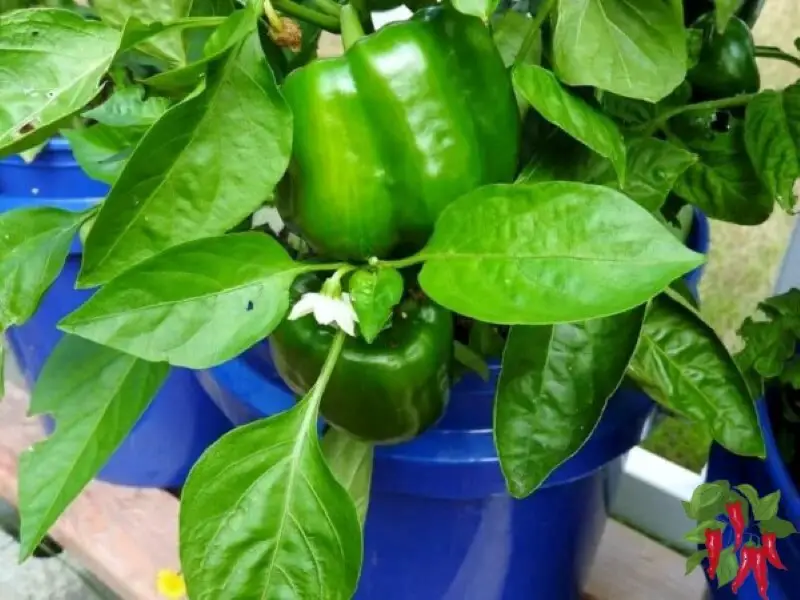
Selecting the best plants for urban container gardening involves choosing vegetables such as tomatoes, peppers, and beans, along with salad greens, herbs, and ornamental flowers, considering their space requirements and sunlight needs for successful growth.
Regarding vegetables, opt for compact varieties that thrive in containers, like cherry tomatoes, patio peppers, and bush beans.
For salad greens, leafy options such as lettuce, arugula, and spinach are ideal choices, as they do well in small spaces.
Herbs like basil, thyme, and rosemary are perfect for container gardening, providing fresh flavors for your cooking. Additionally, ornamental flowers such as marigolds, petunias, and pansies add aesthetic appeal to your urban garden.
Herbs
Herbs are ideal for urban container gardening, thriving in limited spaces on balconies, and benefiting from sunlight exposure, with creative trellises offering additional support for climbing varieties.
They are particularly well-suited for city dwellers seeking a green touch in their everyday lives. With their adaptability, herbs can flourish in various growing conditions, making them a convenient choice for urban environments.
Whether it’s a sunny spot for basil or a shadier area for mint, these plants can adapt to different levels of sunlight.
Utilizing trellises not only aids in maximizing space but also adds an enchanting visual element to the garden.
The use of innovative trellises provides a unique opportunity to cultivate climbing herbs such as rosemary and thyme, creating an aesthetically pleasing and functional garden.
Vegetables

Vegetables like tomatoes, peppers, and beans thrive in urban container gardening, utilizing limited space on balconies and thriving in self-watering planters, providing fresh produce within urban environments.
Urban container gardening allows city dwellers to enjoy the benefits of growing fresh vegetables without requiring a large yard or garden.
Thanks to the compact nature of container gardening, individuals can easily grow their favorite varieties, such as cherry tomatoes, jalapeno peppers, and bush beans, right on their balconies or even windowsills.
This method of gardening not only maximizes the use of limited space but also provides a convenient way to access homegrown produce.
Fruits

Fruits such as strawberries, blueberries, and dwarf fruit trees can be cultivated in urban container gardening, utilizing balcony spaces and sunlight to yield fresh fruits within limited urban environments.
Strawberries are perfect for container gardening due to their compact growth and ability to thrive in small pots.
Blueberries, a superfood rich in antioxidants, can be grown in acid-rich soil, making them ideal for container cultivation.
Meanwhile, dwarf fruit trees, such as lemon and fig trees, are well-suited for restricted spaces and provide a bountiful harvest.
When diving into urban container gardening, space consideration is key.
Utilizing hanging baskets, vertical planters, and tiered shelving can optimize the use of limited spaces for fruit cultivation, thereby reinforcing the prospect of home-grown produce in urban settings.
Maximizing sunlight exposure is vital for fruit production. Ensuring that the chosen fruity crops receive a minimum of six hours of sunlight daily can significantly enhance their growth and yield, creating an optimal environment for urban fruit gardening.
Flowers
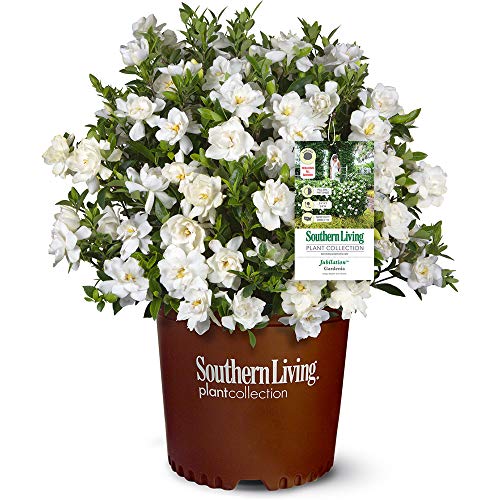
Ornamental flowers are a delightful addition to urban container gardening, adding aesthetic appeal to balconies and utilizing sunlight and trellises to create vibrant blooms and visual interest.
The use of vibrant flowers in urban container gardening not only elevates the visual appeal of balconies, but also provides an opportunity to play with different colors, shapes, and textures. When selecting flowers for container gardening, it’s important to consider their sunlight needs to ensure they thrive in their environment.
Introducing trellises into your garden can further enhance the decorative aspect, providing support for climbing flowers while adding vertical interest to your space.
Succulents

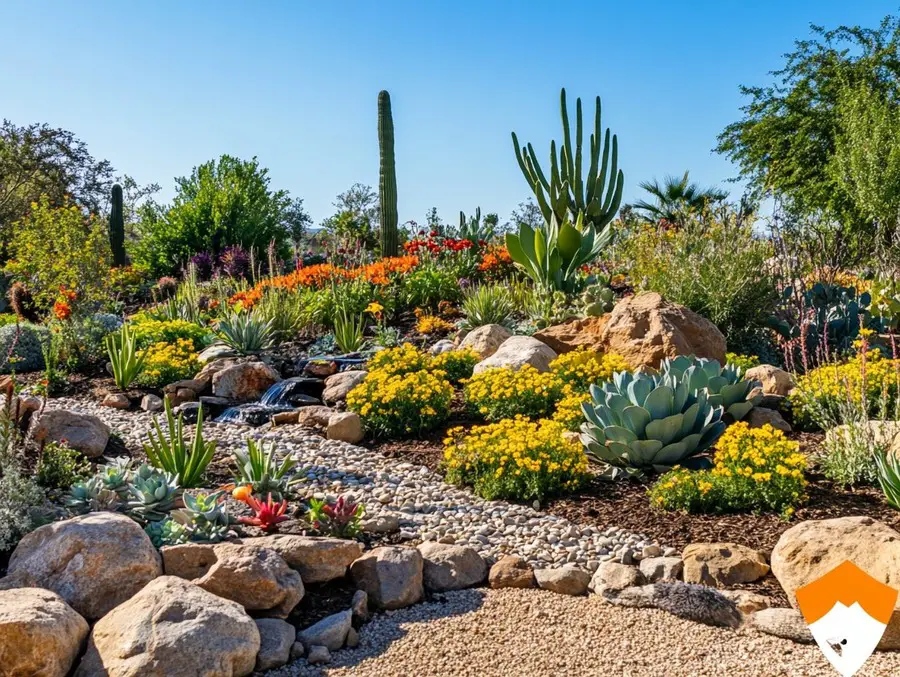
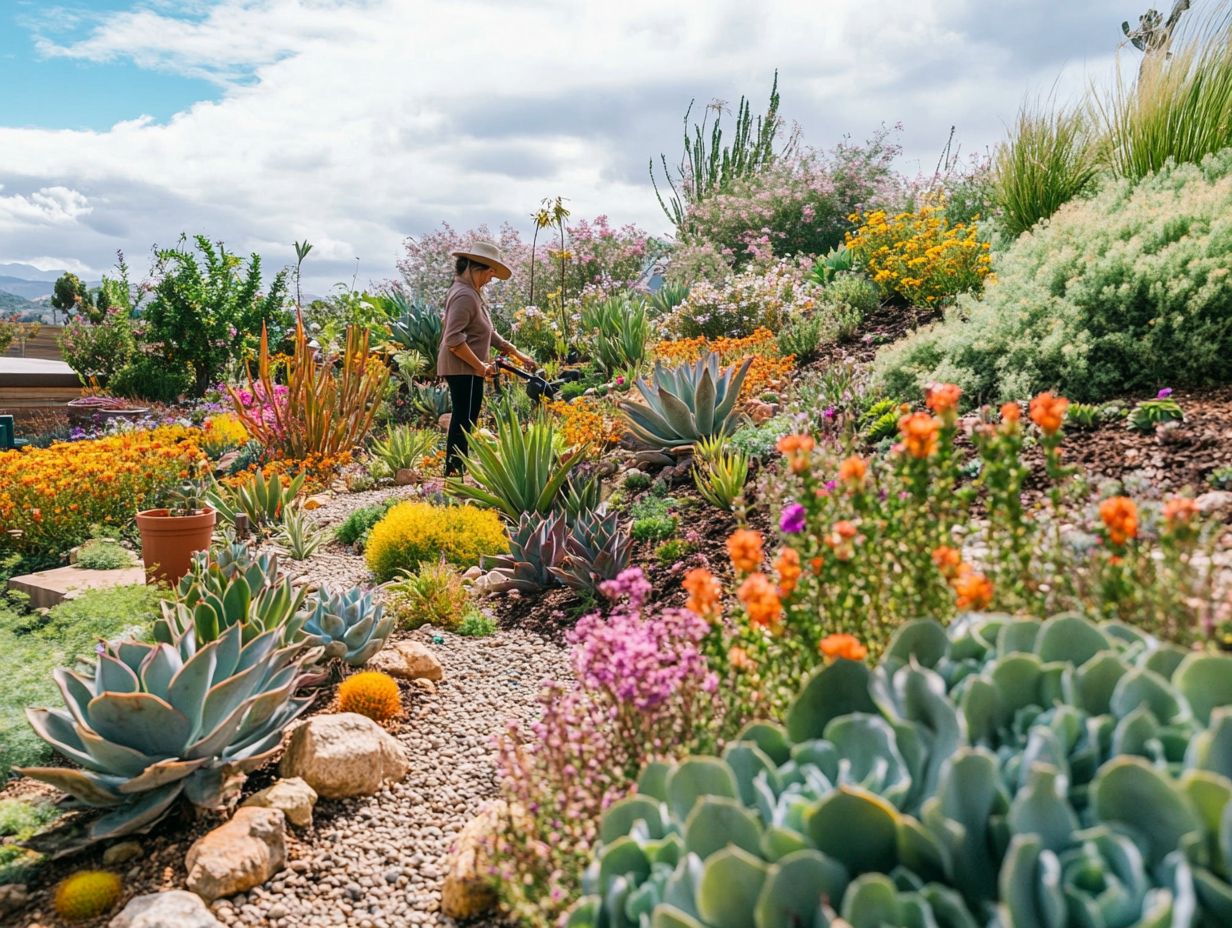
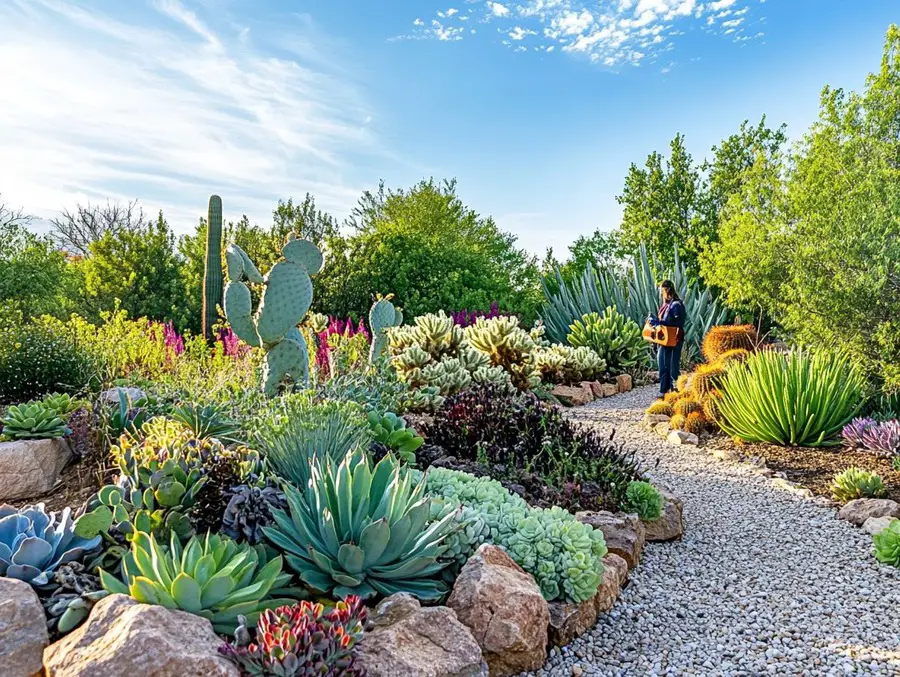
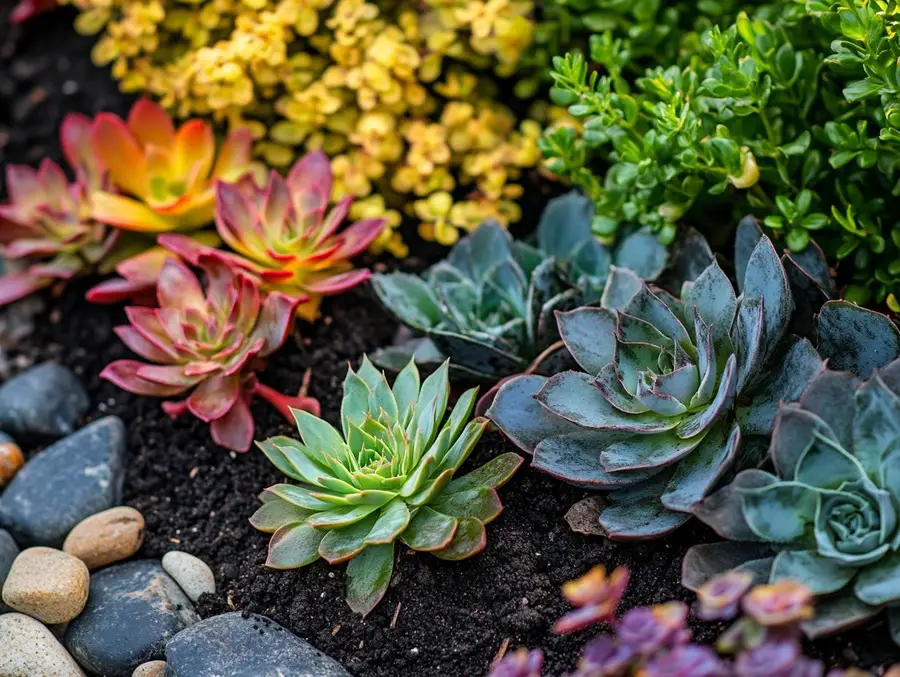
Succulents are well-suited for urban container gardening, thriving in limited spaces both indoors and outdoors on balconies, with their ability to tolerate sunlight and minimal watering requirements.
Their diverse shapes, colors, and sizes make them a visually appealing addition to any urban setting. Their adaptive nature allows for easy maintenance, making them perfect for busy city dwellers.
By utilizing vertical gardening techniques, such as hanging planters and wall-mounted containers, urban gardeners can maximize their outdoor space while creating a lush, green oasis.
Succulents also have the advantage of being low-maintenance, requiring infrequent watering and minimal fertilization.
How To Set Up An Urban Container Garden?
Setting up an urban container garden involves choosing the right location, preparing containers, selecting suitable plants, and providing adequate care, ensuring optimal growth and productivity in urban environments.
When choosing the location for your urban container garden, prioritize areas that receive plenty of sunlight and are easily accessible for maintenance.
Ensure that the chosen area has access to water sources. After finalizing the location, it’s time to prepare the containers.
Containers should be clean, have proper drainage holes, and be large enough to accommodate the root systems of the chosen plants.
Regarding selecting suitable plants for your container garden, consider the space available, sunlight requirements, and the climate of your urban environment.
- You may opt for herbs like basil, thyme, and mint, which thrive in containers.
- Vegetables such as tomatoes, peppers, and lettuce can also flourish in urban container gardens.
- Flowering plants like petunias, begonias, and marigolds add a pop of color to your urban space.
After setting up the containers with suitable plants, providing adequate care is crucial. This includes regular watering, fertilizing, and monitoring for pests and diseases.
Choose The Right Location
Selecting the right location is crucial for urban container gardening, with balconies, rooftops, and sunny spots offering ideal environments for plant growth and productivity within urban settings.
Urban container gardening relies heavily on the availability of suitable locations for the optimum growth of plants.
Balconies and rooftops provide essential space in urban settings, allowing for the installation of containers to grow herbs, vegetables, and flowers.
The ample sunlight exposure in these areas promotes photosynthesis and enhances overall plant health and productivity.
Sunny spots within the urban landscape offer favorable conditions for various plant species to flourish, being critical for the success of urban container gardening.
Prepare The Containers
Preparing containers for urban gardening involves addressing soil quality, fertilization needs, watering requirements, and measures to prevent and manage pests and diseases, ensuring an optimal growing environment for plants and vegetables.
Ensuring the quality of soil in your containers is crucial for the success of your urban garden.
Use a high-quality potting mix or create your own by mixing equal parts of compost, peat moss, and perlite for good drainage and nutrient retention.
Fertilize regularly with a balanced, slow-release fertilizer to provide essential nutrients for plant growth.
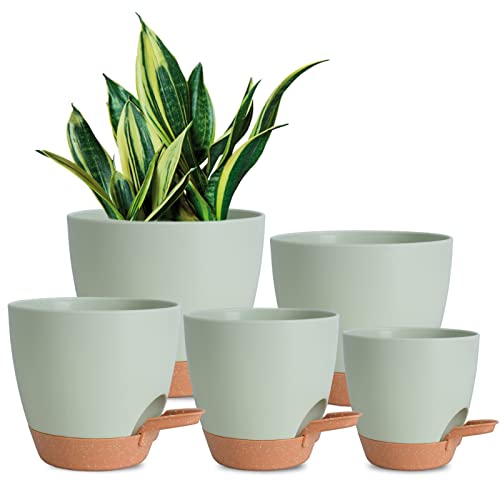
When watering, ensure the soil is moist but not waterlogged, and consider using a self-watering container system to maintain consistent moisture levels.
Apply compost as a top dressing to provide additional nutrients and improve soil structure.
Select The Plants
Selecting plants for urban container gardening involves considering space constraints, indoor and outdoor options, seed choices, and the potential for cultivating herbs and climbers with the support of trellises.
When choosing plants for urban container gardening, it’s essential to prioritize compact varieties that thrive in confined spaces.
For indoor settings, herbs such as basil, parsley, and chives are excellent choices, adding both flavor and greenery to your living space.
Outdoor containers can accommodate a wider range of options, from colorful flowers like petunias and marigolds to vegetables like tomatoes and peppers.
Consider incorporating climbers like morning glories or sweet peas, whether in indoor or outdoor settings, utilizing trellises to maximize vertical space.
Provide Adequate Care
Providing adequate care for urban container gardens involves attentive soil management, proper fertilization, effective watering, compost application, and proactive measures to address pests and diseases, ensuring the health and vitality of plants and vegetables.
Urban container gardens require well-draining soil and regular monitoring to maintain the right moisture levels.
Fertilization should be carried out according to the specific needs of the plants, considering the nutrients provided by the existing soil and supplementing accordingly.
Strategically managing watering schedules to prevent waterlogging is crucial for the overall health of the plants.
Compost application is a sustainable practice that enhances soil fertility and structure, promoting healthy growth and vigor in container gardens.
Regularly integrating compost into the soil helps maintain its nutrient levels and supports the development of beneficial microorganisms.
Employing organic pest control methods and inspecting plants for signs of diseases allow for early intervention and prevent potential damage.
It is important to stay vigilant and make use of natural remedies to maintain a healthy urban garden ecosystem.
Frequently Asked Questions
What do I need to start urban container gardening?
You only need a few basic supplies to get started: containers with drainage holes, a quality potting mix, suitable plants or seeds, and a watering can. Choose a location that receives enough sunlight for the plants you want to grow. You can always add more containers and equipment later.
What are the easiest vegetables to grow in containers for beginners?
Lettuce, radishes, spinach, bush beans, and compact pepper varieties are good choices for beginners. Leafy greens are especially convenient because they don’t need large containers. Tomatoes are another option, but they generally need larger pots, plenty of sunlight, and some support.
How big should containers be for growing vegetables?
Container size depends on what you’re growing. Lettuce and many herbs can grow in pots around 6 to 8 inches deep. Peppers generally do better in containers holding 3 to 5 gallons, while tomatoes often benefit from 5 gallons or more. Larger containers provide more room for roots and usually dry out more slowly.
Can I grow a container garden without a balcony or patio?
Yes. You can grow herbs, leafy greens, and many houseplants indoors if you have enough light. A bright window may work for some plants, but vegetables often need supplemental LED grow lights, especially during winter. Make sure your containers have drainage and protect furniture and floors from excess water.
How often should I water my container garden?
There isn’t one watering schedule that works for every container. Small pots can dry out quickly, especially during hot or windy weather. Check the potting mix with your finger and water when the plant needs it. For most vegetables in regular containers, water thoroughly until some drains from the bottom. Self-watering planters may need less frequent attention.
Can I use regular garden soil in containers?
It’s better to use a potting mix made for containers. Regular garden soil can become compacted in pots, making it harder for roots to get enough air and for excess water to drain. A quality container mix provides a better balance of moisture retention and drainage. Coco coir can also be used as part of a suitable container growing mix.
Are self-watering planters good for beginners?
Yes, self-watering planters can make container gardening easier by supplying moisture from a built-in reservoir. They’re particularly useful for herbs, leafy greens, and vegetables that prefer consistent moisture. However, you’ll still need to check the reservoir, provide fertilizer when needed, and avoid keeping plants that prefer drier conditions constantly wet.
Final Thoughts on Urban Container Gardening for Beginners
Urban container gardening for beginners doesn’t have to be complicated or expensive. You don’t need a backyard, fancy planters, or dozens of plants to enjoy growing your own vegetables, herbs, and flowers.
Urban container gardening offers a unique and rewarding way to bring nature into urban spaces.
The important thing is to choose containers that fit your space, give your plants enough light, and pay attention to their watering needs. Traditional pots, hanging baskets, window boxes, and self-watering planters can all work well when you match them with the right plants.
I’d suggest starting with a couple of herbs or some lettuce before moving on to larger vegetables like tomatoes and peppers. You’ll learn quite a bit just by watching how your plants respond to sunlight, watering, and the changing weather.
And remember, you can always expand your garden later. Sometimes a few healthy plants in well-chosen containers are more rewarding than a dozen pots you’re struggling to keep watered.
If you’re looking for creative ways to arrange your containers, check out our guide to Urban Container Gardening Ideas: Simple Setups for Small Spaces for seven practical garden layouts.
References and Further Reading
For more information about growing vegetables, herbs, and other plants in containers, these university Extension resources offer practical gardening advice.
- University of Maryland Extension – Growing Vegetables in Containers and Salad Tables
- University of Maryland Extension – Growing Vegetables in Containers
- University of Maryland Extension – Container Food Gardening
- University of Maryland Extension – Growing Vegetables in Containers (Printable Guide)
Related Content
Related Content
Visit my Amazon Influencer Page for videos and gardening products Grow Your Own Garden