

Choosing the right pond location is one of the most important decisions you’ll make when planning a backyard koi pond. Once you’ve dug the hole, installed the liner, and filled the pond with water, moving it isn’t exactly an option. That’s why it’s worth taking the time to find the right spot before you start digging.
A koi pond should be more than a place to keep fish. It can become your favorite spot to relax after a long day, listening to the waterfall and watching your koi swim around. But that peaceful backyard retreat needs a little planning to keep it from becoming a maintenance headache.
Sunlight, nearby trees, underground utilities, and the natural drainage of your property all play a part in choosing a good location. Too much sun can encourage algae growth, falling leaves can clog your skimmer, and poor drainage can create problems during heavy rain or when the water table rises.
In this guide, I’ll walk you through the things I consider when choosing a location for a koi pond, including a few problems that are easy to overlook. Whether you’re planning a small backyard pond or something larger, getting the location right from the beginning can save you plenty of work later.
🌿 What You’ll Learn
- Finding the best location: How to choose a spot that looks good and fits naturally into your backyard.
- Sunlight and shade: Why sun exposure matters for koi, aquatic plants, water temperature, and algae growth.
- Nearby trees: How roots, falling leaves, and seasonal debris can affect pond construction and maintenance.
- Underground utilities: Why you need to check for buried lines, sewer pipes, and septic systems before digging.
- Drainage and water tables: How runoff, flooding, and groundwater can create problems for an in-ground pond.
- Planning before digging: How to evaluate your available space and make adjustments before construction begins.
💡 Quick Answer: Where Should You Put a Koi Pond?
Choosing the right pond location starts with finding a level or gently sloping area that has good drainage, a suitable balance of sunlight and shade, and enough room for the pond and its equipment. Avoid low spots where rainwater collects, areas crowded by large tree roots, and locations above underground utilities or septic systems.
Morning sunlight with some afternoon shade is often a good choice, especially in warmer climates. Too much direct sunlight can encourage algae growth and raise water temperatures, while nearby deciduous trees can fill your pond with leaves and debris.
My advice: Think about where you’ll sit and enjoy your koi pond, but don’t overlook practical concerns. Check drainage, underground utilities, and seasonal groundwater conditions before digging. A little planning now can prevent expensive problems later.
Koi Pond Design – Choosing The Right Pond Location
Armed with a few simple tools, a bit of elbow grease, and a good solid koi pond design you can build an awesome koi pond.
Building a koi pond might look complicated and complex but if you break it down into simple steps and develop a good pond design it’s really pretty easy.
Don’t let the so-called experts scare you or confuse you because building a pond can be a very rewarding experience.

The first step in your koi pond design process is choosing the location of your pond.
Consider not only where your koi pond will go but also how it will be integrated into its surrounding environment.
Your Koi Pond Will Become Your Safe Haven
There’s nothing more relaxing than sitting by your koi pond with a cold one after a hard day at work. It’s a safe quiet place away from the crazy hustle and bustle world we live in.
Imagine as you feel your tensions melting away. In the background, you can hear your waterfall and watch your koi sparkle like jewels in the water.
You built your koi fish pond with your own two hands and it’s your own little slice of heaven on earth.
Think about what it will look like. Imagine sitting there. Don’t underestimate the power of visualization. It will help your koi pond design firm up in your mind.
Then put your ideal pond design down on paper. Then go out and measure everything to see if there is enough room. If you have a big imagination you may have to scale back some.
Choose The Best Site For Your Koi Pond
A well-built koi pond will last you a lifetime. And considering the fact that it’s impossible to move you want to do it right the first time.
So choosing the right pond location is a critical first step.
So a careful site evaluation is important for developing a koi pond design that will work.
If you do things right you will have a low-maintenance, easy-to-care-for koi pond that both you and your fish will enjoy.
Your Koi Pond Design Should Take Sun Exposure And Existing Trees Into Account
If there are large trees close by be aware that their roots can make digging hard.
Deciduous trees nearby can dump tons of leaves into your pond. A good skimmer is an integral part of any good koi pond design.
It will get most of the leaves but you may have to empty it often when leaves are falling.
Ideally, evergreen trees and shrubs should be taken advantage of when possible.
Even without tree leaves, you would be amazed at what can blow into your pond.
Your fish will need some shade in the summer in most places. Plants like lilies need 5 to 6 hours of sunlight to grow well but also more sunlight means more algae will grow.
Morning sun would be the best choice. In some cases, you may need to build a cover over your pond.
You can use a lightweight greenhouse shade cloth or go the natural route and buy fast-growing plants to screen your pond.
Putting Your Pond Design Into Action
Before even putting a shovel in the ground you need to know the location of all your utility lines.
Some of you will have more space and location options available than others.
But for most, it will be a backyard koi pond and there could be some surprises back there.
Be prepared to make adjustments to your koi pond design as you go along.
Do any utility lines run under where you want to dig? Utility lines can be moved if that’s the only spot you have, but rerouting them will be an expensive hassle.
Now some surprises are good but you don’t want that kind of surprise. Especially after already digging a rather large hole.
Is there a sewer line or a septic tank and drain field there? A tank is relatively easy to find but finding a drain field is quite a bit harder.
Building an above-ground or partially above-ground pond is a possibility in these situations. But give it some careful thought because someday you may need to get at these utilities.
Hopefully, you have a site without these problems.
Drainage And The Lay Of The Land
Next, your koi pond design should consider the site’s drainage. This may not be a problem for most of you.
But in some areas, particularly in the Pacific Northwest, the water table can rise almost to the surface during the winter.
The rising water table will push against your liner from below causing it to float. This can cause problems.
In this situation, an above-ground pond might be your only option. Although this idea may seem funny to you now there are some really good advantages to this type of koi pond design.
Even if your area doesn’t normally experience flooding, torrential rain storms can raise havoc.
So you don’t want to be in a low spot or on steeply sloping ground if you can avoid it.
Runoff entering your koi pond can be a bad thing. Many lawn care products are toxic to koi.
Mud and silt washing in will make your pond dirty. By building a partly raised pond you can avoid this.
On slopes build a raised earthen mound on the up hillside to help deflect water.
Go Over Your Koi Pond Design – Plan Twice And Dig Your Koi Pond Once
Location is certainly important to your koi pond’s success. This article was not meant to scare you and surely no one would have all these things going on.
But it is a good idea to be aware of potential problems before they become real ones.
So before you start digging take time to develop a realistic koi pond design for your area and your site.
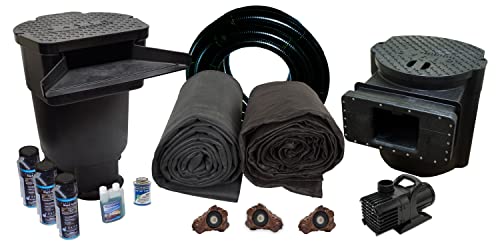
Get Started With A Koi Pond Kit
Savio makes great stuff. I use their skimmer and waterfall in my pond. This kit is good for 1000-1800 gallon koi fish ponds. More sizes are available on Amazon.
🐟 Frequently Asked Questions About Koi Pond Location
Where is the best place to put a koi pond?
The best location for a koi pond is an area with good drainage, a balance of sunlight and shade, and enough room for the pond and its filtration equipment. Choose a spot where you can enjoy watching your koi, but avoid low areas that collect rainwater or locations directly beneath large trees.
Should a koi pond be in full sun or shade?
A combination of sunlight and shade is usually best. Morning sunlight with some afternoon shade can help keep water temperatures more comfortable during hot weather. Full sun isn’t necessarily a problem, but it can contribute to warmer water and increased algae growth. Aquatic plants may also need several hours of sunlight, depending on the species.
How far should a koi pond be from trees?
There’s no single distance that works for every tree. Consider the tree’s mature size, root system, and how many leaves or needles it drops. Large roots can complicate excavation, while falling leaves create extra work for your pond skimmer. Leave enough clearance to protect the tree and make pond maintenance easier.
Can you build a koi pond in an area with a high water table?
Yes, but a high water table requires careful planning. Groundwater can push against an in-ground pond liner, particularly when the pond is drained or its water level drops. Depending on site conditions, you may need engineered drainage, groundwater pressure relief, or a partially raised pond. If groundwater is a concern, have the site evaluated before construction.
Why is drainage important when choosing a pond location?
Good drainage helps prevent stormwater from washing soil, fertilizers, pesticides, and other contaminants into your koi pond. It also reduces the chance of flooding around the pond edges. Avoid natural low spots where runoff collects, or plan suitable grading and drainage to direct water safely away from the pond.
What should I check before digging a koi pond?
Before digging, contact your local utility-location service, such as 811 in the United States, and have underground public utilities marked. You should also identify private electrical lines, irrigation pipes, sewer connections, septic tanks, and drain fields that may not be covered by the utility marking service. Check local permit requirements and leave enough room for pumps, filters, and maintenance access.
Is two feet deep enough for a koi pond?
Two feet is generally shallower than I’d recommend for a permanent koi pond. I prefer planning for approximately four feet of depth or more where site conditions allow. Deeper water provides additional swimming space and can help moderate temperature changes. However, the appropriate depth depends on climate, pond size, winter conditions, and the number of koi you plan to keep.
Is an above-ground koi pond a good alternative?
An above-ground or partially raised koi pond can be a good choice when underground utilities, poor drainage, or a high water table make excavation difficult. Raised ponds can also provide convenient viewing and maintenance access. Just remember that exposed pond walls may require additional insulation or temperature protection, especially in areas with cold winters or very hot summers.
🌿 Final Thoughts
Choosing the right pond location is one of those decisions you’ll be glad you took your time with. Once your koi pond is built, moving it isn’t a realistic option, so it pays to think things through before the first shovel hits the ground.
I’ve always felt that a koi pond should be a place where you can relax and enjoy your fish. There’s something special about sitting beside the water, listening to the waterfall, and watching your koi swim around. But it’s a lot more enjoyable when you’re not constantly dealing with problems that could have been avoided during construction.
Pay attention to sunlight, nearby trees, and how rainwater moves across your property. Check for underground utilities and septic systems, and don’t overlook the possibility of a high water table. Here in the Pacific Northwest, seasonal groundwater can be a real concern when building an in-ground pond.
You may have to adjust your original plans to work around trees, drainage problems, or limited backyard space. That’s perfectly fine. A pond that fits your property and is easy to maintain is much better than one that looks great on paper but creates problems later.
My advice is simple: plan twice and dig once. Take your time choosing the location, make sure you have room for the equipment, and think about where you’ll sit to enjoy the finished pond.
Get those things right, and you’ll be well on your way to creating a backyard retreat that you and your koi can enjoy for years.
Happy pond keeping, and keep it green!
💧 Water Gardens & Backyard Ponds Guides
Design a relaxing, wildlife-friendly backyard retreat. Explore beginner-friendly guides on planning, building, stocking, planting, and maintaining beautiful water features.
- See all articles in Benefits of Water Gardens
📚 References & Further Reading
Choosing a good pond location involves more than finding an attractive spot in your backyard. These university Extension resources offer additional guidance on pond placement, drainage, sunlight, construction, and long-term maintenance.
- Penn State Extension – Water for Wildlife: Bird Baths and Backyard Ponds
Discusses backyard pond placement, sunlight and shade, nearby tree roots, sloping ground, and problems caused by high water tables. - Mississippi State University Extension – Creating Water Features in the Landscape
Explains how to select a location for a backyard water garden, including sunlight, level ground, falling leaves, pond liners, and landscape design. - Mississippi State University Extension – Choosing a Location
Covers site evaluation, land contours, soil conditions, water supply, and the effects of runoff when planning a new pond. - Penn State Extension – Management of Fish Ponds in Pennsylvania
Provides a detailed guide to pond planning, site selection, construction, water quality, and ongoing maintenance.

Related Content


Visit my Amazon Influencer Page for videos and gardening products Grow Your Own Garden