

Starting a garden is exciting… but community garden maintenance & management is what decides if it thrives for years or fizzles out after one season.
This guide walks you through the routines, systems, and “people stuff” that keep a shared garden running smoothly — even when volunteers come and go.
Community Garden Maintenance & Management (Key Takeaways)
- Strong gardens run on simple routines: watering, weeding, pest checks, and seasonal resets.
- Management works best when roles are clear: coordinator, treasurer, volunteer lead, maintenance lead.
- The easiest way to prevent conflict is to set expectations early: plot care rules + shared chores + consequences.
- Eco-friendly gardens use compost, mulch, crop rotation, and smart watering to cut workload long-term.
🧠 The Big Idea: Maintenance Is a System, Not a Mood

Most gardens don’t fail because people stop caring.
They fail because the garden depends on “whoever shows up” instead of a simple system anyone can follow.
So we’re going to set up the system: routines, responsibilities, schedules, and a few smart policies that keep the garden healthy.
🗓️ Weekly Maintenance Routine (The “Keep It Alive” List)
If your garden does these four things consistently, you’re already ahead of most community gardens.
Watering
Regular watering is crucial — especially during hot stretches. Consistency matters more than “a lot of water once in a while.”
- 💧 Water early morning or evening to reduce evaporation
- 💧 Focus on the base of plants (not the leaves)
- 💧 If possible, use drip irrigation or soaker hoses
Weeding
Weeding is the chore that quietly ruins gardens when it’s ignored for “just a couple weeks.”
- 🌿 Do quick weekly weeding sessions (15–30 minutes beats a 4-hour nightmare)
- 🌿 Mulch paths and beds to slow weeds
Quick Pest and Disease Checks
A 5-minute check prevents a month-long problem.
- 🔍 Look under leaves for eggs and clusters of insects
- 🔍 Watch for yellowing, spotting, wilting, or chewed leaves
- 🔍 Remove diseased plant material quickly (don’t “wait and see”)
Harvesting and Cleanup
Harvesting is part of maintenance. Overripe fruit attracts pests and slows production.
🌦️ Seasonal Maintenance (What Changes Through the Year)
Spring: Soil Prep + Setup
- ✅ Add compost or organic matter before planting
- ✅ Check irrigation and hoses early (fix leaks now, not mid-July)
- ✅ Refresh mulch and path materials
Summer: Water + Weed + Pest Control
- ✅ Deep watering schedule
- ✅ Mulch heavy to protect soil moisture
- ✅ Weekly pest patrols
Fall: Harvest + Soil Reset
- ✅ Harvest regularly to reduce pest pressure
- ✅ Clear dead plants and compost what’s healthy
- ✅ Plant cover crops if your garden does winter soil protection
Winter: Planning + Tool Care
- ✅ Clean and oil tools
- ✅ Review what worked and what didn’t
- ✅ Plan next season’s crop rotation
🐛 Integrated Pest Management (IPM) for Community Gardens
The goal isn’t “zero bugs.” It’s keeping pests below the level where they wreck crops.
Monitoring and Identification
Check plants weekly and identify issues early.
Cultural Controls (Prevention)
- 🔁 Rotate crops each season
- 🧹 Keep beds and paths clean of debris
- 🌱 Healthy soil = stronger plants that resist pests
Physical Controls
- 🧺 Use row covers or netting
- ✋ Handpick larger pests when needed
Organic Methods
- 🫒 Neem oil for many common pests
- 🧼 Insecticidal soap for soft-bodied pests
- 🌼 Companion planting (like basil near tomatoes)
♻️ Sustainable Practices That Reduce Work (Yes, Really)
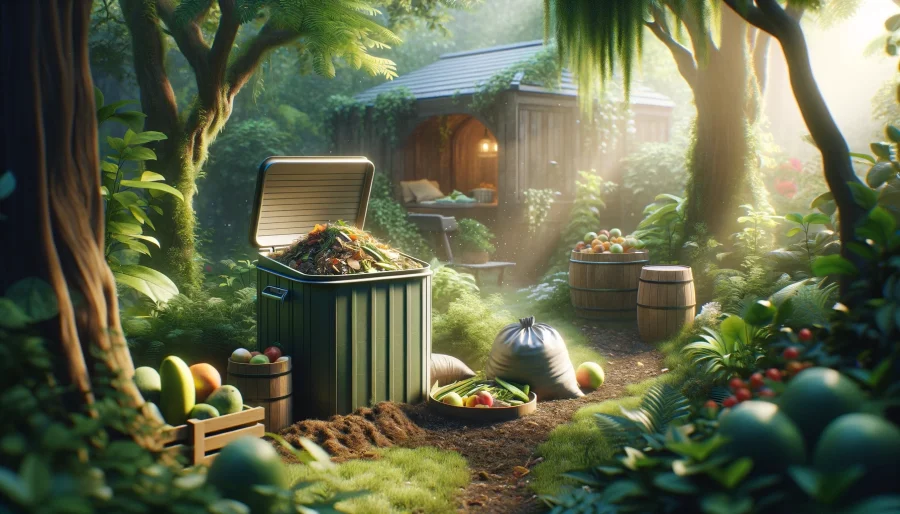
Composting
Compost cuts costs and improves soil year after year.
Mulching
Mulch reduces weeds, keeps soil cooler, and protects moisture.
Water Conservation

- ✅ Use rain barrels when possible
- ✅ Drip irrigation reduces waste
- ✅ Water at the right times of day
🧑🤝🧑 Management: Committees, Roles, and Communication
The plants are only half the story. The other half is the people.
Committees that keep gardens running smoothly
- Planning & Design: layout updates, improvements, accessibility
- Fundraising: grants, donations, events
- Maintenance: schedules, work days, shared areas
- Communications: updates, reminders, conflict prevention
Simple communication that prevents problems
- 📌 Post a weekly task list (online + in the garden)
- 📌 Use one main group channel (email list, WhatsApp, FB group)
- 📌 Keep rules visible (signs help more than you think)
🧰 Tools and Equipment (And How to Keep Them From Vanishing)
Shared tools are amazing… until they disappear. A simple system solves this.
Essential shared tools
- 🪴 Trowels, hand forks, weeders
- ✂️ Pruners
- 🧹 Rakes and hoes
- 🚿 Hoses, watering cans, drip lines
- 🛒 Wheelbarrow or garden cart
Tool storage rules that work
- 🔒 Store tools in one locked location
- 🧽 Clean tools after use (quick brush + rinse)
- 🧴 Oil and sharpen seasonally
🎉 Keeping Participation High (So the Same 3 People Don’t Burn Out)
Volunteer burnout is real. The fix is structure + appreciation.
- ✅ Rotate responsibilities (don’t trap one person in one job forever)
- ✅ Host workshops and small events to keep people connected
- ✅ Recognize helpers publicly (shout-outs go a long way)
✅ Wrap-Up
Community garden maintenance & management doesn’t have to be complicated.
If you keep routines simple, assign clear roles, communicate consistently, and build sustainable habits (mulch, compost, water-smart systems), your garden can stay productive year after year — without burning out the people who make it possible.
Community Gardens Benefits: Surprising Ways They Transform Neighborhoods
Related Content
Related Content
Visit my Amazon Influencer Page for videos and gardening products Grow Your Own Garden