
We use affiliate links. If you purchase something using one of these links, we may receive compensation or commission.
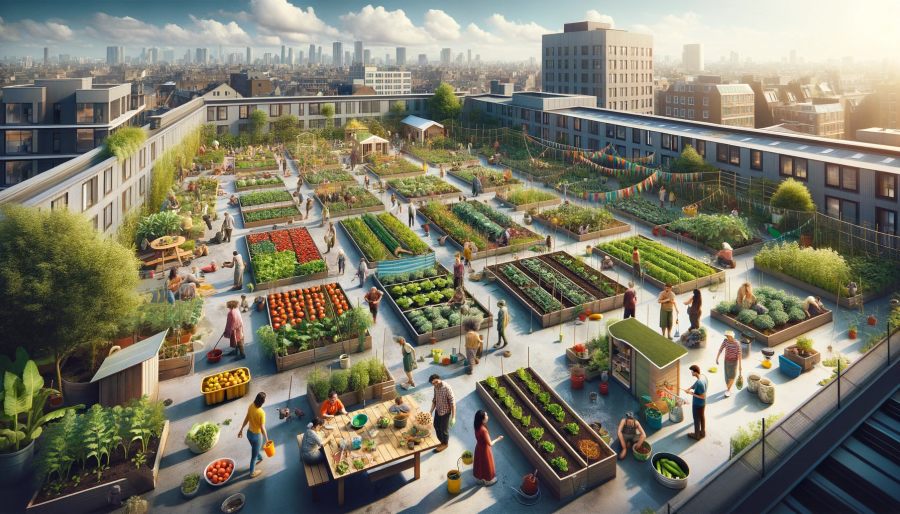
Want to learn how to start a community garden without it turning into a confusing “too many opinions, not enough shovels” situation?
Good news: when you follow a simple plan (and get the right people involved early), you can turn an empty lot or unused space into a thriving neighborhood garden that actually lasts.
How To Start a Community Garden (Quick Takeaways)
- Start with community interest + a planning committee before you pick a site.
- Choose a location with 6–8 hours of sun, water access, and safe, reachable paths.
- Create simple rules + roles early so the garden doesn’t become chaos later.
- Funding is easier when you mix grants + local donations + fun fundraisers.
- Plan the layout with accessibility in mind (wide paths, reachable beds).
🌱 What Is a Community Garden?
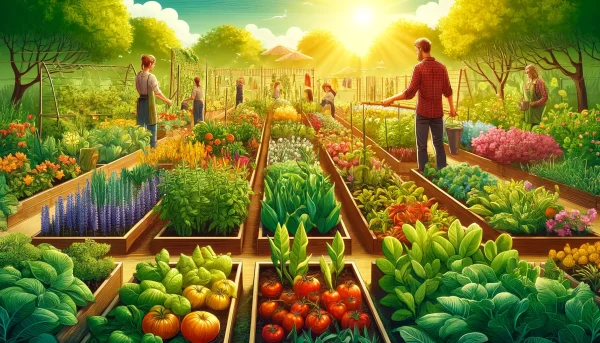
 A community garden is a shared space where people grow fruits, vegetables, herbs, and flowers together.
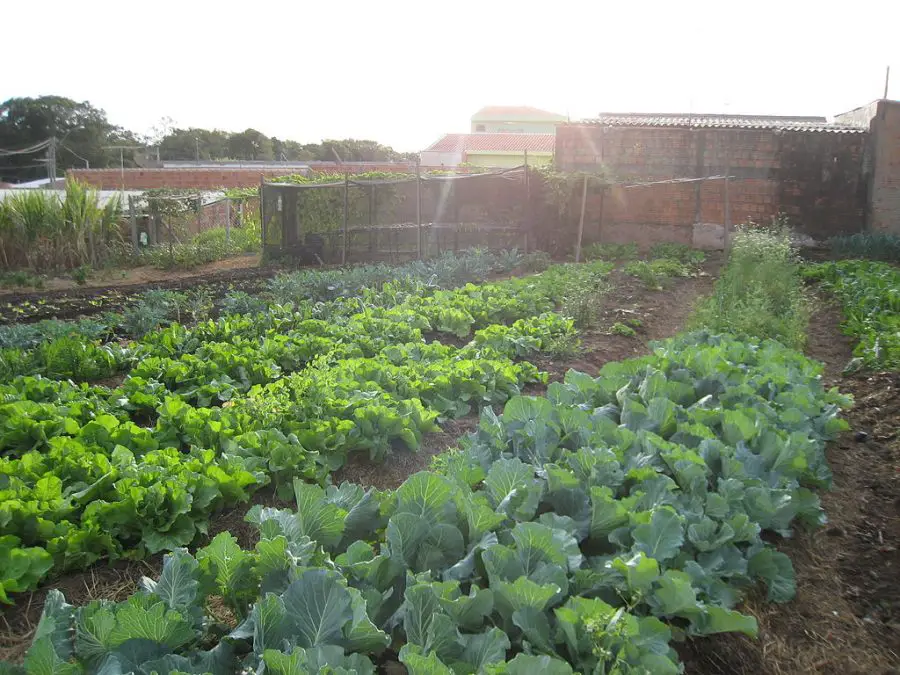
But it’s also a community project—a place to meet neighbors, learn new skills, and turn unused space into something useful and beautiful.
🧭 Step-by-Step: How To Start a Community Garden

Let’s walk through this the way real gardens happen — in a practical order that avoids the most common “we got excited and skipped the boring stuff” mistakes.
Step 1: Gather Community Interest (Before Anything Else)
Start by finding out who actually wants this garden and who will help make it happen.
- ✅ Host a quick neighborhood meeting (library, community center, church hall, Zoom — whatever works)
- ✅ Create flyers and post them where people already go (coffee shops, schools, parks)
- ✅ Use social media and Nextdoor-style groups to spread the word
- ✅ Ask one simple question: “If we build it, will you help?”
If you can get 10–20 people interested early, you’re in a great place.
Step 2: Form a Planning Committee (Small Group = Big Progress)
A garden can’t be run by “everyone.” It needs a small core group that keeps the project moving.
Recommended starter roles:
- 👤 Project Coordinator (keeps meetings + decisions moving)
- 💰 Treasurer (tracks funds + purchases)
- 📣 Communications Lead (updates, outreach, sign-ups)
- 🧤 Volunteer Coordinator (work days, task lists, “we need 6 people Saturday”)
Step 3: Choose a Location (This Makes or Breaks the Garden)
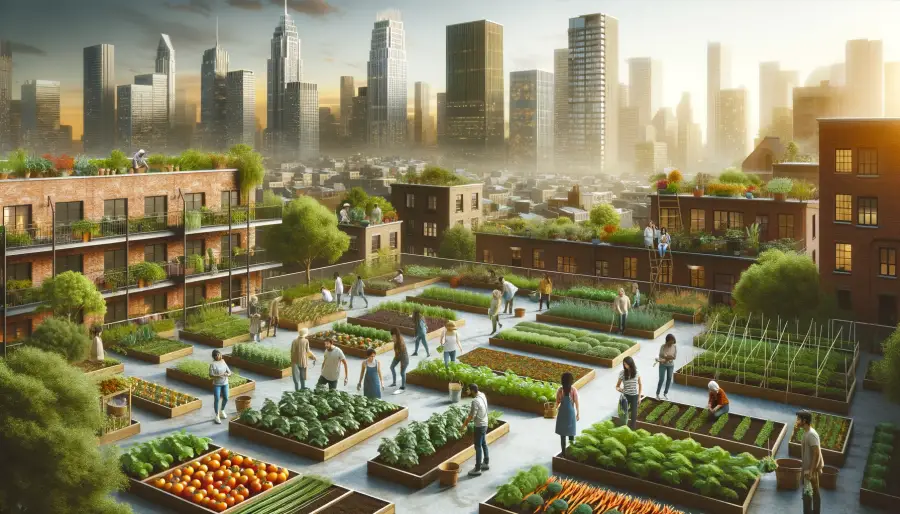
The best location is not always the prettiest. It’s the one that’s practical and easy for people to use.
Site checklist (the “don’t regret this later” list)
- ☀️ Sun: ideally 6–8 hours of direct sunlight
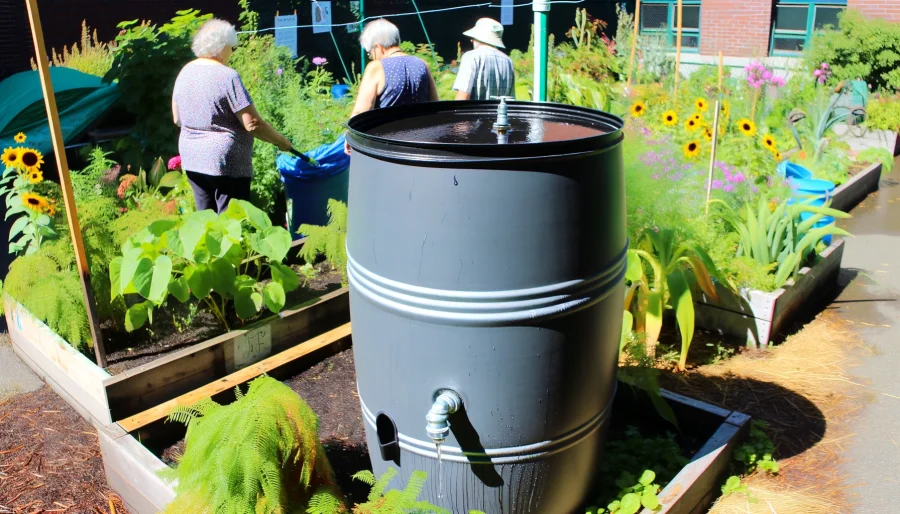
- 🚰 Water: nearby tap, legal access, or rainwater collection plan
- 🧪 Soil: test it (or use raised beds with clean soil if you’re unsure)
- 🧭 Access: safe walking routes, parking if needed, and visible for security
- 🔒 Security: fencing/gate can help, but visibility + foot traffic also matters
Step 4: Make It Accessible (Because This Impacts Participation)
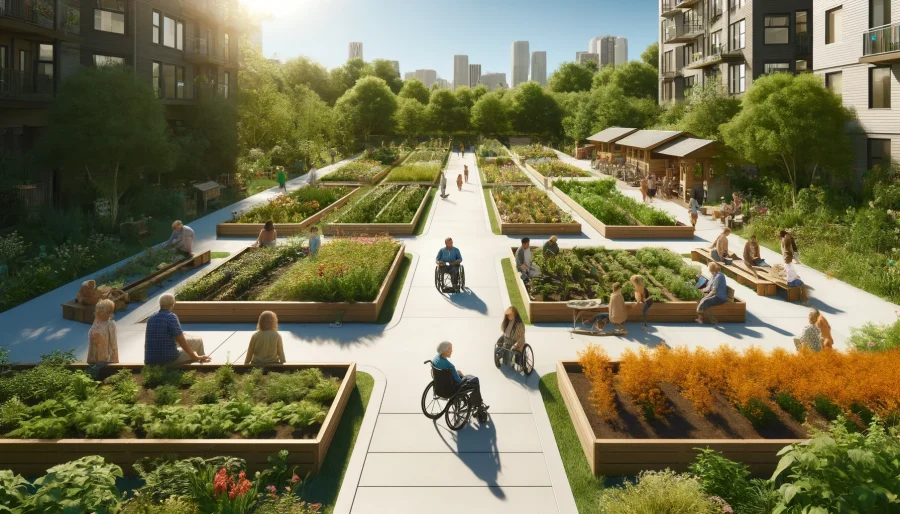
Accessibility isn’t “extra.” It’s how you get more gardeners, more volunteers, and fewer drop-offs.
- ✅ Paths at least 3 feet wide (wider is even better)
- ✅ Some beds raised higher so people don’t need to bend
- ✅ Seating areas for breaks (this helps seniors, kids, and everyone on hot days)
Step 5: Design the Garden Layout (Simple Beats Fancy)
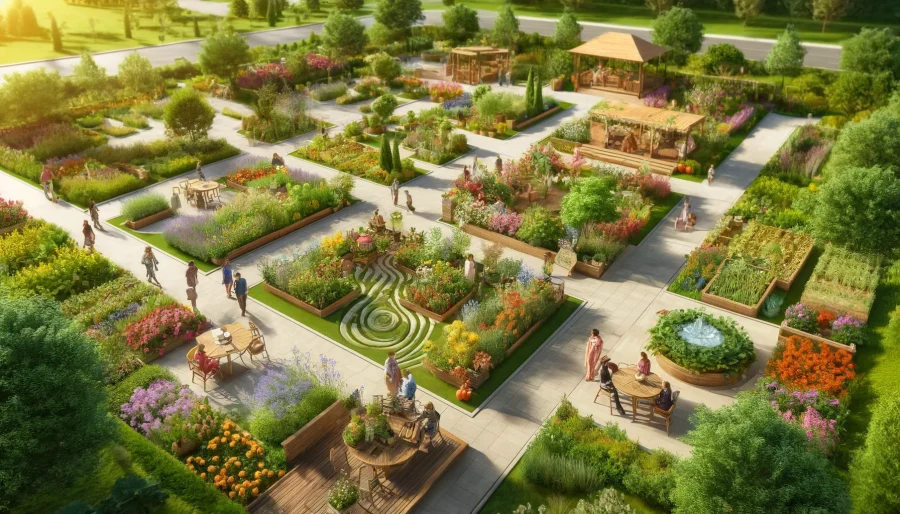
Start with a layout that’s easy to maintain. You can always add “cool features” later.
Core layout pieces most gardens need
- 🪴 Raised beds or ground plots
- 🚶 Clear pathways
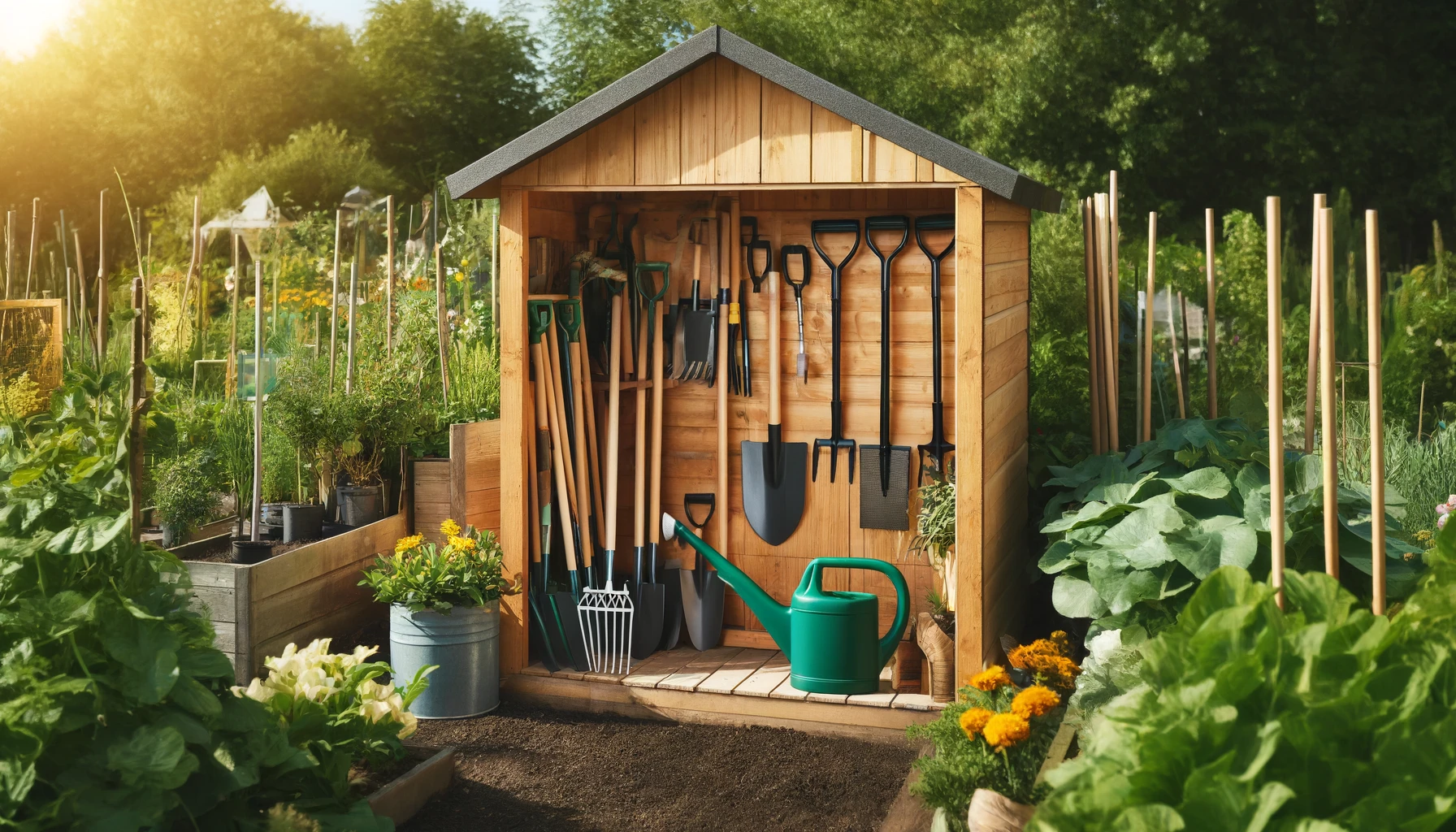
- 🧰 Tool storage area
- ♻️ Compost section
- 🚰 Water access or irrigation plan
Want more layout inspiration? You already have a strong supporting post here: Designing a community garden.
Step 6: Secure Funding (Grants + Small Wins Add Up Fast)

Most community gardens don’t start with a huge budget. They start with momentum — then funding follows.
Common funding sources
- 🏛️ Local or state grants for community development
- 🤝 Donations from businesses (soil, lumber, tools, gift cards)
- 🌱 Plant sales and seedling fundraisers
- 🎉 Events (workshops, harvest festivals, garden tours)
- 🧺 “Adopt-a-Plot” sponsorships
Step 7: Handle Legal Stuff (So You Don’t Get Shut Down Later)
This is the step people love to skip… until it becomes a problem. Keep it simple, but do it.
What to check early
- 📍 Zoning rules (is gardening allowed on that land?)
- 📝 Land use agreement or lease (if you don’t own the site)
- 🏗️ Permits (sheds, fencing, irrigation systems can trigger this)
- 🧼 Health/safety rules (compost, chemical use, water management)
Step 8: Create Simple Rules + Expectations (This Prevents Drama)
You don’t need a 30-page document. You need clear basics that protect the garden.
Rules that keep things peaceful
- ✅ Plot assignments + what happens if a plot is abandoned
- ✅ Shared chores (weeding common areas, compost care, watering schedule)
- ✅ Organic vs non-organic policy (and what’s allowed)
- ✅ Tool sharing rules (and where tools live)
- ✅ Conflict resolution (who decides what, and how)
Step 9: Recruit Volunteers (Then Keep Them)
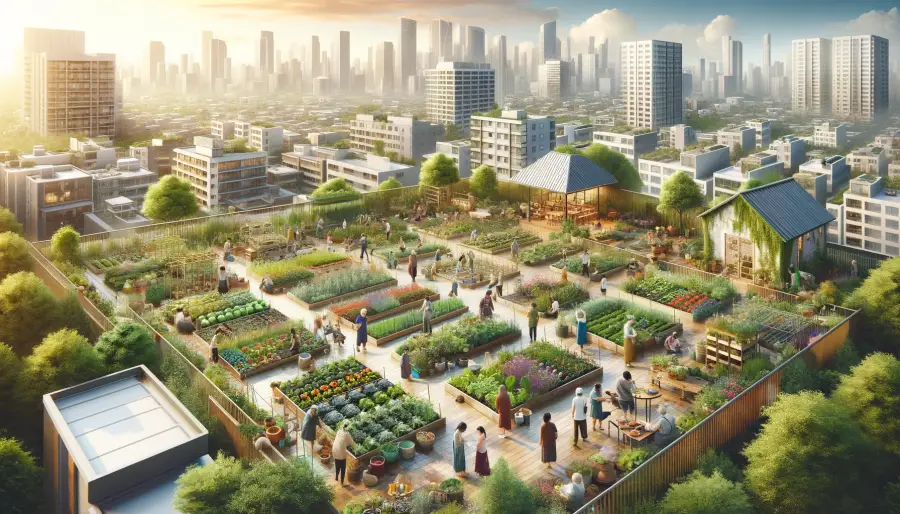
Volunteer energy is strongest at the beginning. Your job is to turn that excitement into routines.
- 📣 Use word-of-mouth + social posts + flyers
- 📆 Hold regular work days (same day/time helps a lot)
- 🏆 Celebrate volunteers (thank-yous, shout-outs, little appreciation events)
- 🧾 Give people clear tasks (unclear tasks = people disappear)
Step 10: Plant the Garden (Make It a Community Event)
Your first planting day sets the tone. Make it fun, simple, and beginner-friendly.
Planting day tips
- ✅ Pre-mark beds and paths so you don’t wing it in the moment
- ✅ Start with easy, rewarding crops (greens, herbs, tomatoes if sun is strong)
- ✅ Assign “bed captains” so each area has a point person
- ✅ End with a quick group photo (it helps with future outreach + funding)
🌿 What Should You Grow in a New Community Garden?
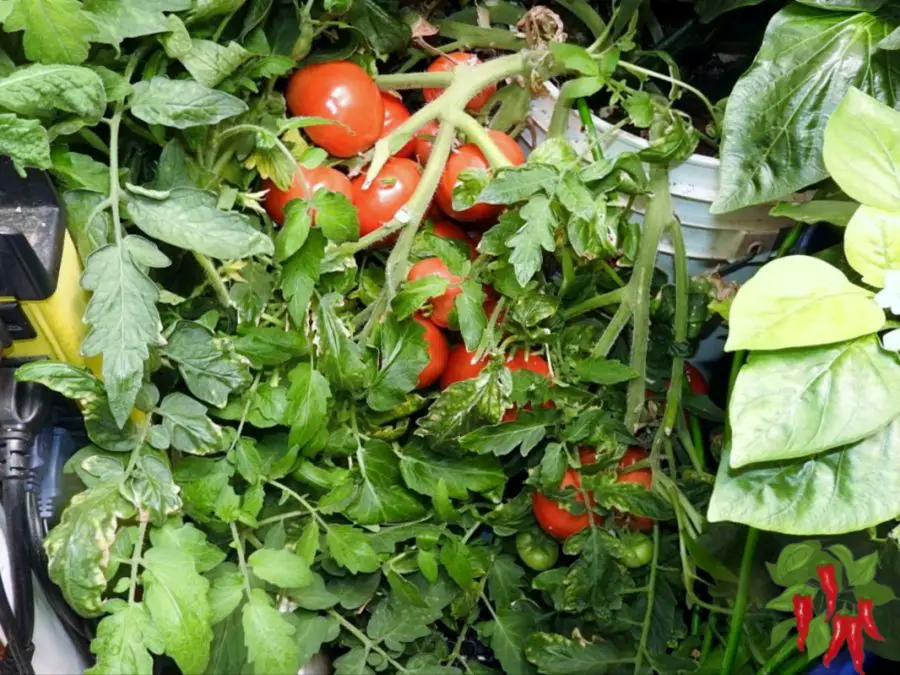
When you’re starting out, choose plants that match your climate, your sunlight, and your group’s experience level.
Easy crowd-pleasers
- 🥬 Leafy greens (lettuce, kale, spinach)
- 🌿 Herbs (basil, parsley, cilantro, mint in containers)
- 🍅 Tomatoes (if you have strong sun + support cages)
- 🫘 Beans and peas (great yield, easy to grow)
- 🥕 Root crops (carrots, radishes, beets — especially in loose soil)
🤝 Why Community Involvement Early Matters (A Lot)
This is one of the biggest difference-makers between “a garden that lasts” and “a garden that fades after one summer.”
Building ownership
When people help build it, they care about it. That means more watering, more weeding, and fewer abandoned beds.
Diverse skills and ideas
Your best gardener might be a first-timer with amazing organizational skills — or someone who knows how to get donations from local businesses.
Long-term sustainability
When many hands share the workload, the garden stays strong even when a few people get busy or move away.
✅ Final Checklist: How To Start a Community Garden (Fast Review)
- ✅ Gather interest + hold a meeting
- ✅ Form a planning committee + assign roles
- ✅ Choose a sunny, safe site with water access
- ✅ Build accessibility into the layout
- ✅ Secure funding through grants + donations + events
- ✅ Handle legal basics (zoning, agreements, permits)
- ✅ Set simple rules so the garden runs smoothly
- ✅ Host your first planting day + start with easy crops
🌼 Wrap-Up
If you’re serious about learning how to start a community garden, the secret isn’t doing everything perfectly — it’s doing the basics in the right order.
Start with people, choose a practical site, keep rules simple, and build routines early. Do that, and your garden won’t just “launch”… it’ll last.
Related Content

Visit my Amazon Influencer Page for videos and gardening products Grow Your Own Garden